
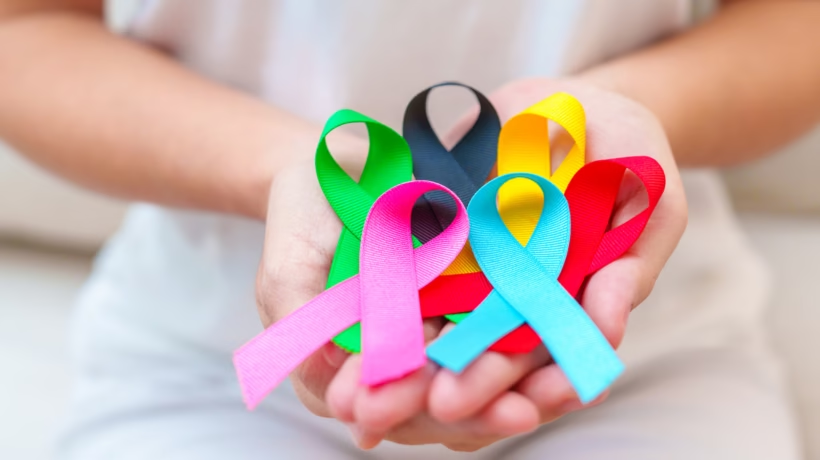
HIV
Millions have been infected by HIV since the 1980s when it was initially identified. HIV appears to be clever and needs constant education and awareness, even with medical advancements. We are going to discuss about HIV’s general definition, symptoms, causes, stages and treatment. Learn these characteristics to understand HIV prevention, early detection, and control.
What is HIV?
HIV attacks immune system disease-killing cells. HIV cannot be removed by the body’s immune system and therefore leads to a chronic illness which could develop into AIDS. HIV is spread most commonly through blood, semen, vaginal fluid, and milk. By sexual intercourse is the most frequent channel other than the above-mentioned ones. The virus can also spread through sharing needles, blood transfusion, and mother-to-child during pregnancy.
Symptoms of HIV
HIV symptoms depend on the stage and immune system. HIV has been called a “silent” illness because most individuals do not have the initial signs. It may be detected and treated if its symptoms are recognised.
An Acute HIV Infection
HIV may produce flu-like illness in two to four weeks. If it is an acute infection, the body responds. The usual manifestations include fever, fatigue, sore throat, lymphadenopathy, pain in muscles & joints, headache, and rash. Night sweats, diarrhoea, or mouth ulcers can also occur. These are nonspecific and can resemble flu or mononucleosis. Some individuals are asymptomatic, and hence, diagnosis is delayed.
Asymptomatic HIV
HIV is asymptomatic or chronic following the acute. Creeping virus replication does not necessarily result in symptoms at this point. Healthy immune systems can maintain this stage for decades. Infection can be spread without symptoms. Testing is necessary because most people have no clue that they are sick.
Reasons for HIV?
Lentiviruses are the causative agents of HIV. It is difficult for the body to get rid of the virus because it is spread via body fluids. HIV can be prevented only if you know how it is spread.
Methods of Transmission
Unprotected sex with an infected partner transmits HIV most. As rectal mucosa is thin and prone to damage, anal intercourse is the most dangerous. Sharing HIV-contaminated needle or syringe is another most prevalent method of transmission, mostly in the case of drug injectors. HIV-infected pregnant women who are not being treated can infect children during pregnancy, during childbirth, and while breastfeeding. HIV is transmitted by blood or organ donation if the tissue or blood is infected.
Possible Risks
There are a number of reasons that make transmission of HIV more likely. More than one sex partner, unprotected sex, STDs, and dirty needles make HIV risk higher. Precautions decrease occupational exposure, i.e., needle stick in health workers. Hugging, shaking hands, use of utensils in shared, air, water, or insect bites can never transfer HIV.
Stages Of HIV
HIV replicates in immune cells, primarily CD4 cells, after getting into the body. The virus infects the host cell DNA to survive and to produce new particles. This progressively weakens the immune system such that infections become difficult to combat.
Stage 1: HIV Acute Syndrome
From two to four weeks post-infection, the acute phase begins. The stage is characterized by rapid virus replication and immune system activation. High viral blood levels infect people during this period. With the immune system’s reaction to infection, flu-like illness occurs in some individuals. The immune system suppresses the viral load within weeks.
Stage 2: HIV Chronicity
It is also referred to as clinical latency or asymptomatic HIV infection. Chronic stage remains for years. Slow viruses weaken the immune system. Normal people can transmit the disease. Untreated chronic stage turns into AIDS. Periodic medical checkups need to be carried out in order to evaluate the immune system and select treatment.
Stage 3: AIDS
Most severe and last stage of HIV is AIDS. Immune system is much compromised when the CD4 cell count falls below 200 cells per cubic millimeter of blood. AIDS kills the person within a few years if left untreated, but it can be prevented with medications available now.
Treatment For HIV/AIDS
HIV cannot be cured, but medicine has made sure that HIV can be controlled. HIV treatment utilizes ART, which is a set of drugs that suppresses the virus and safeguards the immune system. ART attacks phases of the HIV lifecycle to reduce viral load and reproduction. Low viral load keeps immunity and prevents passing it on.
Managing Opportunistic Infections
Serious HIV/AIDS patients can require ART and anti-opportunistic infection care. This can be antibiotics, antifungals, or antiviral medication, depending on the illness. Opportunistic infections can even be averted with vaccines and chemoprophylaxis drugs. Support and lifestyle also come into play.
Treatment of HIV includes medication, nutrition, exercise, and psychiatric care. CD4 levels and viral loads checked at regular periods allow the physician to modify treatment. Emotional and social issues may be treated by HIV patients through treatment, counselling groups, and community centres.
What are CD4s Cells?
T-helper or CD4 T-cells are white blood cells that are useful to the immune system. They help to direct immune cell activity against infection and other damage. HIV infects and kills CD4 cells, leaving the immune system in a vulnerable state.
CD4 Cell Function
It needs CD4 cells to be effective in defence. They activate the B- and cytotoxic T-cells to destroy the infected cells. HIV replication carries out CD4 cell killing. The lower the number of CD4 cells, the weaker the immunity.
Measurement of CD4 Counts
Immune status of HIV patients is quantified in CD4 cells per cubic millimeter of blood. The healthy individual has 500–1,500 CD4 cells per cubic millimeter. In HIV patients, these fall, particularly if left untreated. AIDS is identified by the CD4 level less than 200, indicating immunosuppression.
Monitoring & Treatment
Health practitioners screen CD4 counts in the progression of HIV and recovery from ART. Post-ART, CD4 counts settle or increase, reflecting improvement in immune status. Evading opportunistic diseases and reconstitution of health need sufficient CD4 counts.
Conclusion
Medical advances and medications help millions of HIV-positive people live long, healthy lives. Discover HIV’s phases, causes, symptoms, and preventative, diagnostic, and treatment drugs. HIV testing and awareness reduce symptoms and help individuals live normally.


